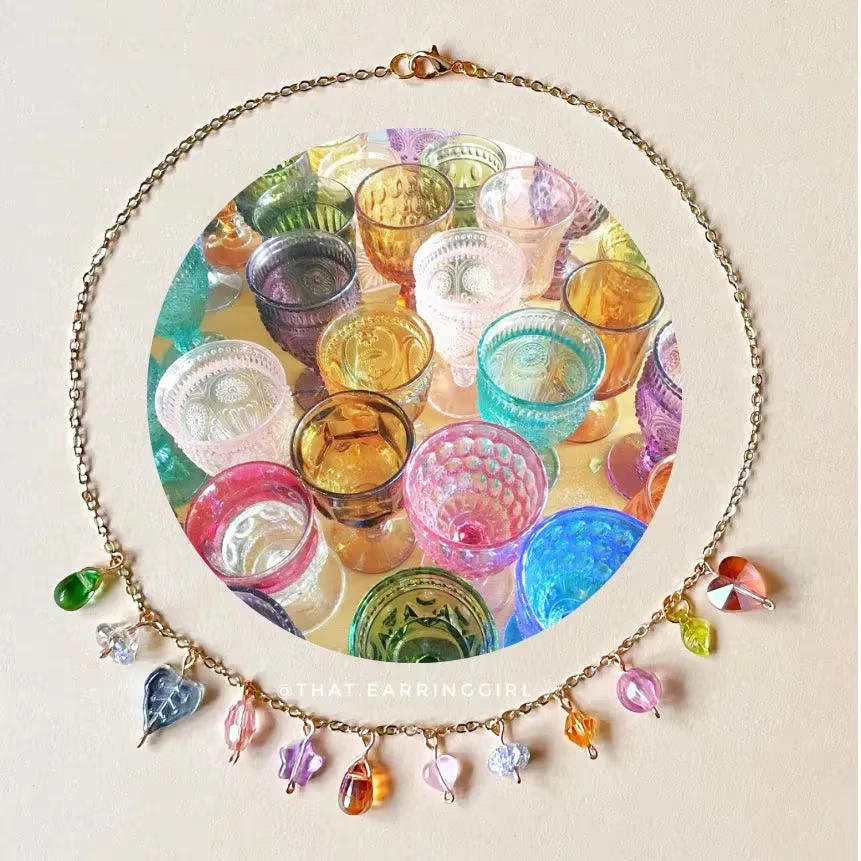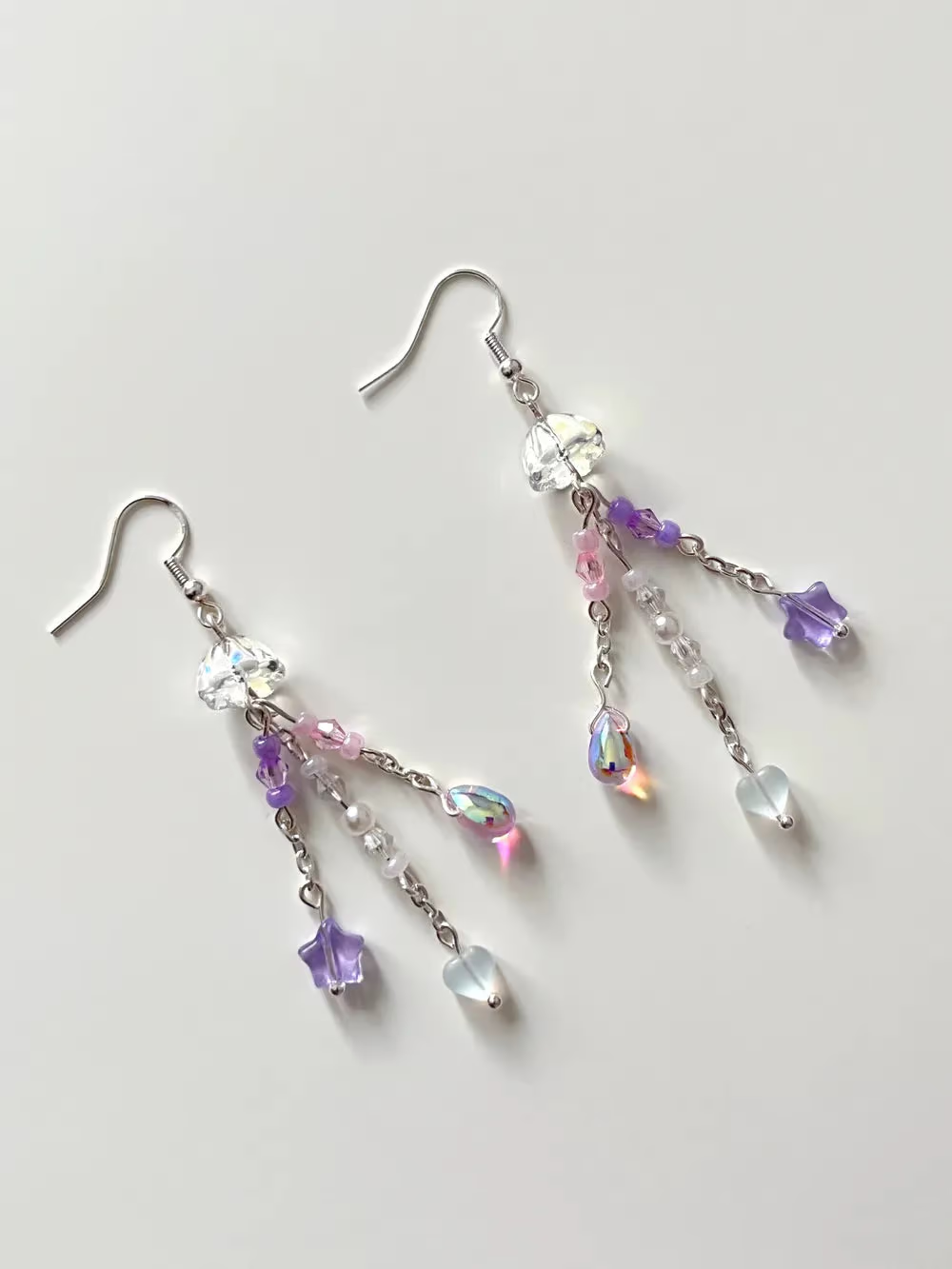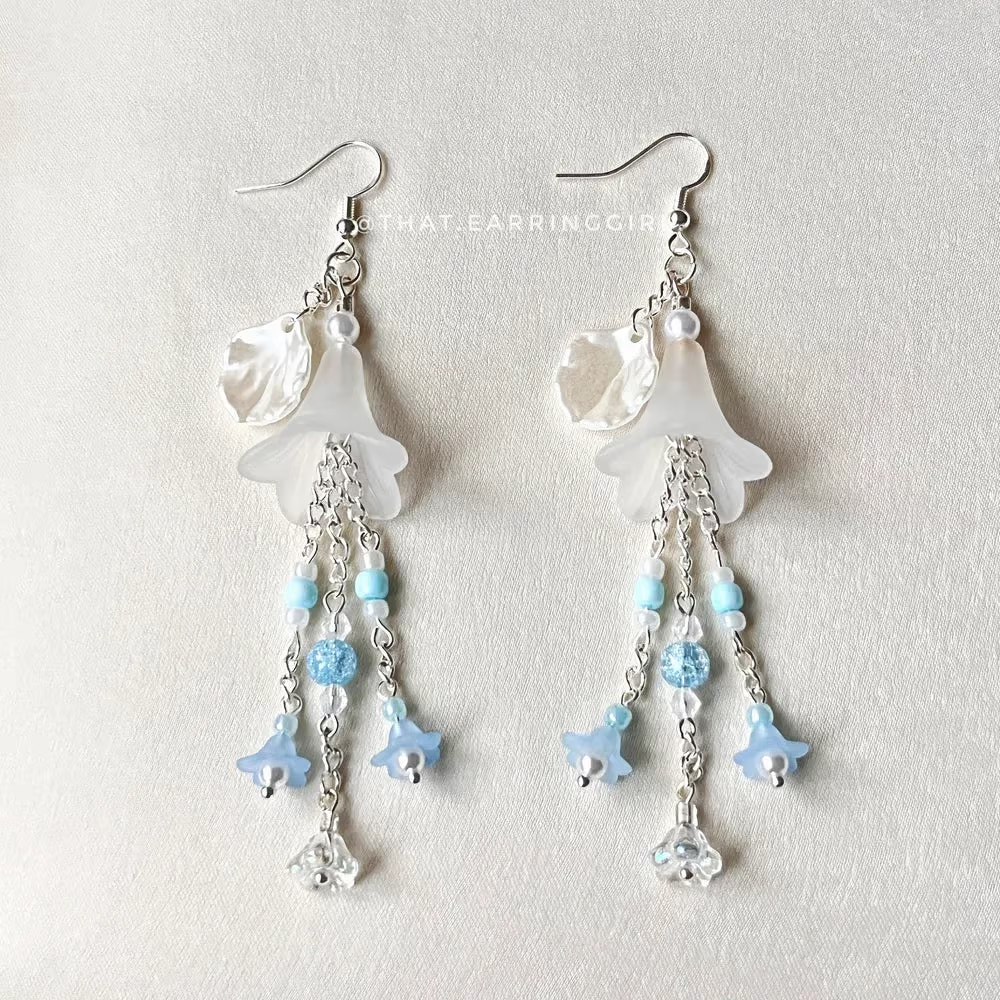
Handmade jewelry is made in small batches from mixed materials — polymer clay, resin, glass beads, plated findings and sterling silver ear wires. Each of those reacts differently to water, perfume and friction, so a few small habits keep a piece looking like the day it arrived.
The one rule that matters most
Put your jewelry on last and take it off first. Hairspray, perfume, sunscreen and body lotion are the most common cause of dull surfaces and tarnished findings — not wear itself. Give sprays a minute to dry before you fasten a necklace.
Everyday care
- Keep it dry. Take pieces off before showering, swimming or the sauna. Chlorine and salt water are hard on plated metal, and long soaking can loosen glued elements.
- Wipe after wearing. A soft dry cloth removes skin oils and sweat in a few seconds. That is most of jewelry care already.
- Store pieces apart. A pouch or a compartment box stops harder stones from scratching softer clay and resin surfaces.
- Avoid the bathroom shelf. Humidity speeds up tarnish; a drawer in a cooler room is better.
Cleaning without damage
Lukewarm water, a drop of mild soap and a soft cloth is enough for most pieces. Dry them fully before storing. Skip ultrasonic cleaners, alcohol and jewelry dips: they can cloud resin, dull polymer clay and dissolve the adhesive that holds decorative elements in place.
Sterling silver that has darkened
Dark silver is oxidation, not damage. A polishing cloth brings it back in a minute. Use it on the metal only and keep it away from clay, resin and painted surfaces.
When something breaks
An ear wire can bend and a jump ring can open — both are quick fixes and rarely mean a piece is lost. Write to us before you reach for the glue; in most cases we can tell you what to do or repair it for you.