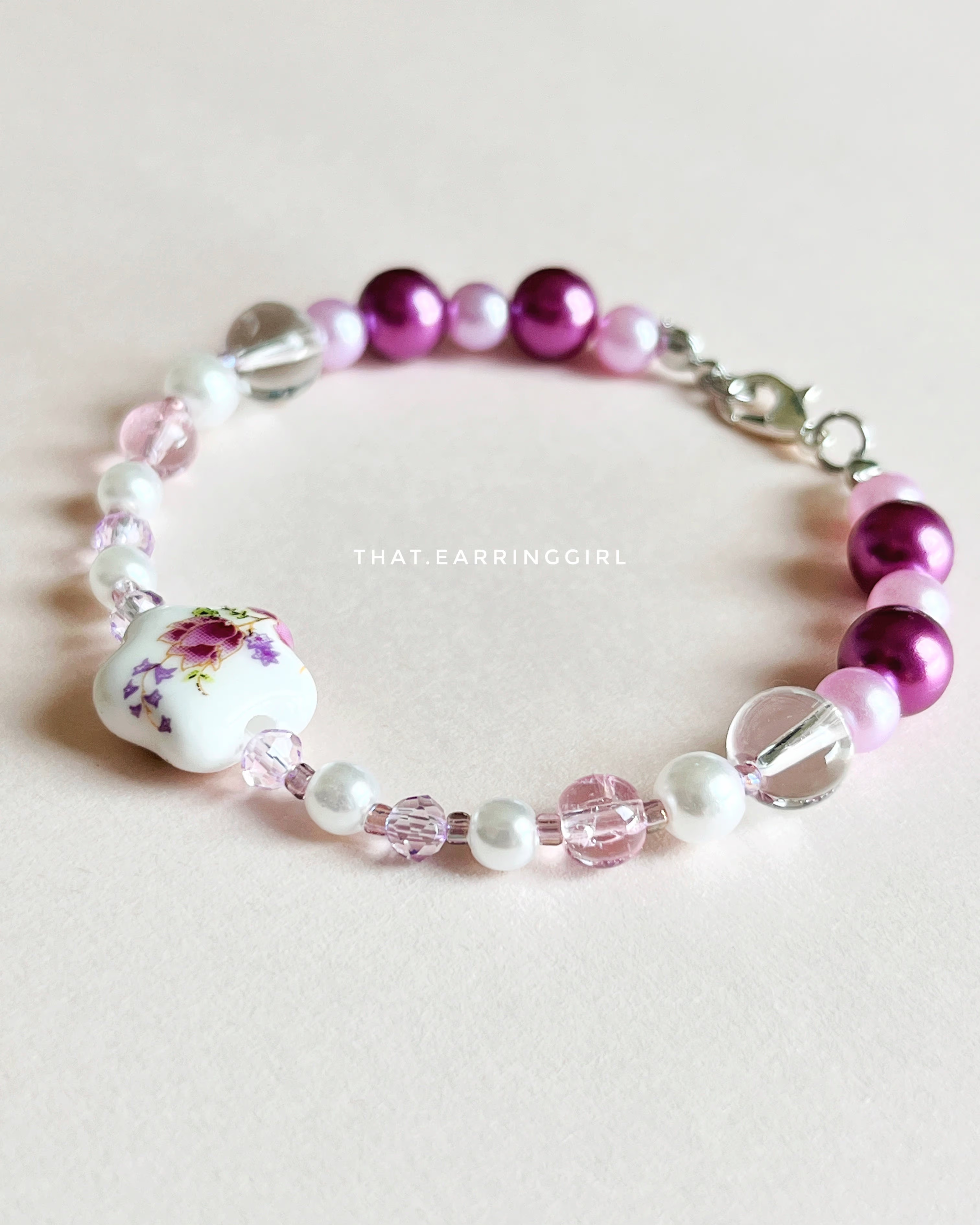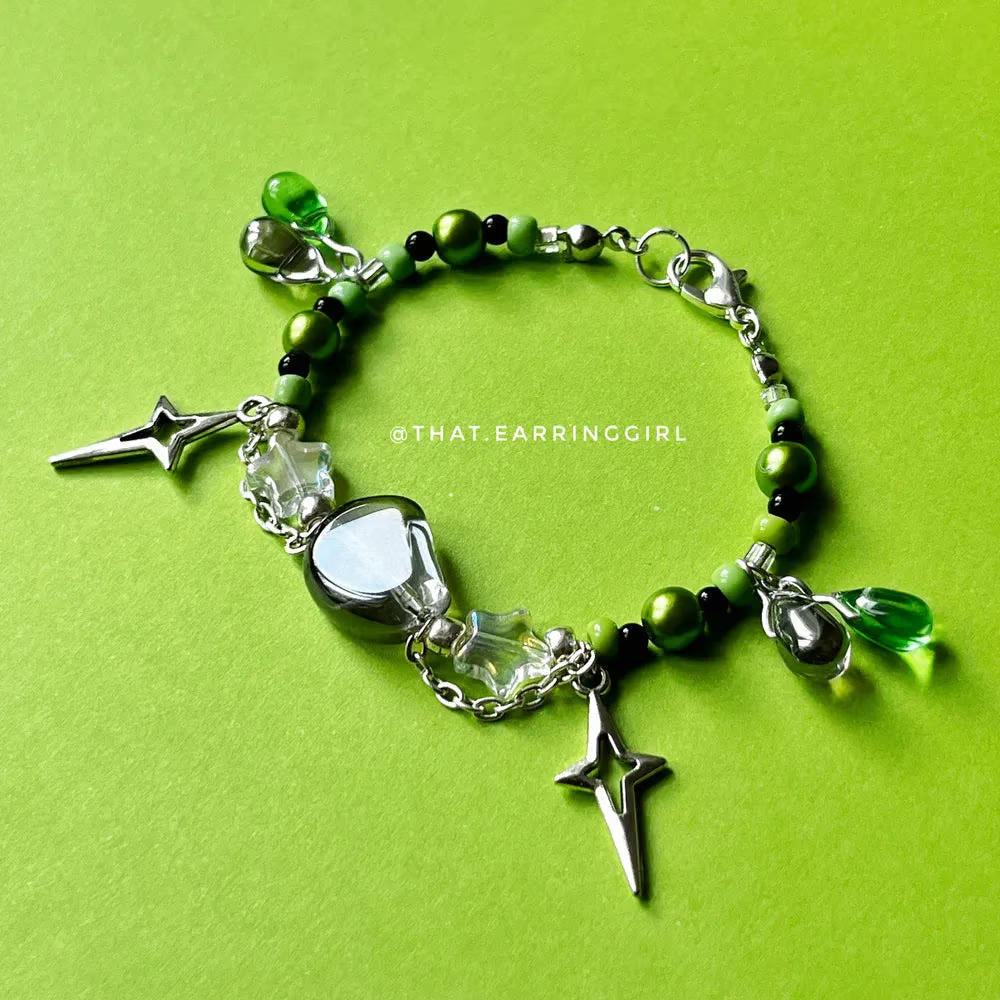
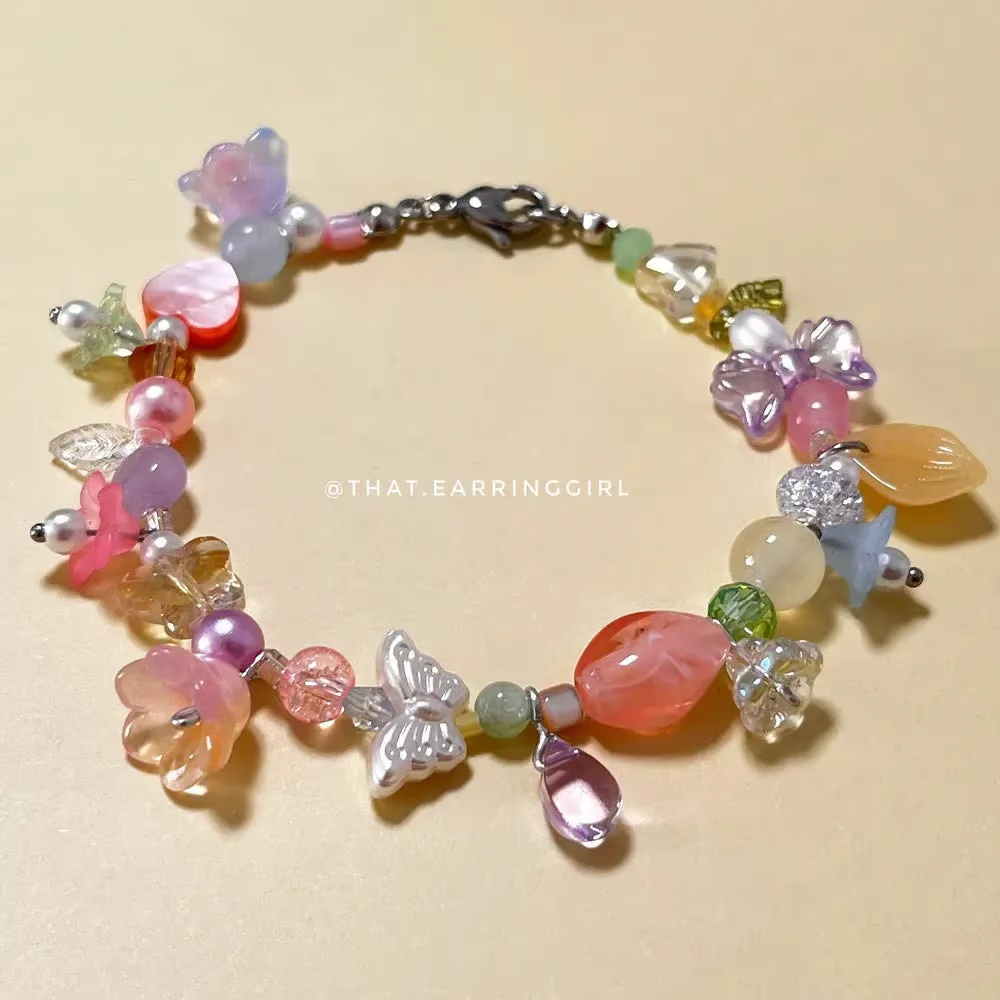
A bracelet that keeps sliding around or digs into your wrist is rarely about the design — it's almost always about the size. Here's how to measure your wrist in a minute and how a beaded bracelet should actually sit.
Measure, don't guess
Wrap a piece of string loosely around the narrowest part of your wrist, mark the spot, and measure the string flat with a ruler. That's your wrist circumference. Add 1 to 1.5 cm — that's the room a bracelet needs to sit comfortably instead of pressing in.
Common sizes
- 15 to 16 cm: a snug fit, for a narrower wrist.
- 17 to 18 cm: the most common size, fits most adults.
- 19 cm and up: a looser drape, for a broader wrist or a deliberately relaxed fit.
How a beaded bracelet should sit
You should be able to fit one flat finger between the bracelet and your skin — any tighter and it pinches, any looser and it keeps sliding over your hand. Bracelets with a fixed clasp sit firmer than elastic ones; for elastic styles, measure slightly snugger, since the band stretches a little with wear.
Stacking multiple bracelets
If you're combining several beaded bracelets, pick different sizes rather than identical ones — a snug piece and a looser one tangle less and read as intentionally stacked. Thinner beaded strands handle more neighbors on the wrist than a single, bold statement bracelet, which usually looks best worn alone.
When in doubt
Order the slightly larger size — a bracelet that's too loose can be tightened with an extra jump ring at the clasp, but one that's too tight can't be stretched. And if you're buying a gift and can't measure: 18 cm is the safest bet for adults.